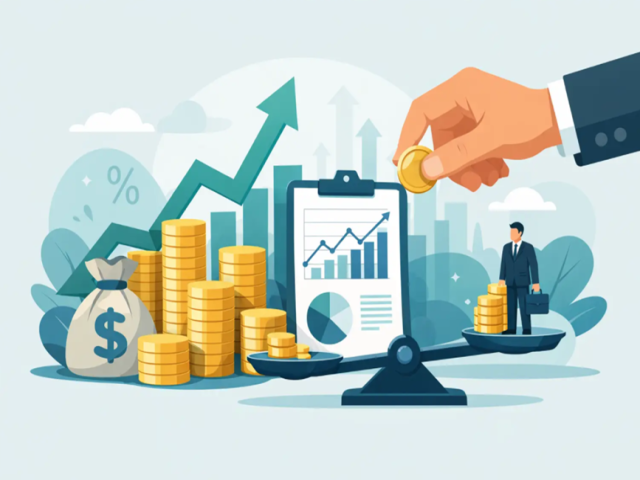
The Future of Managed Trading Platforms Online
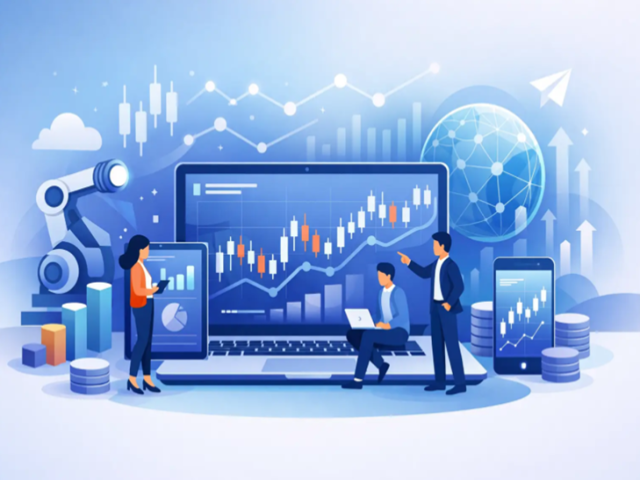
See how the future of managed trading platforms may give investors simpler access to global markets, automated visibility, and strategy-led investing.
Markets do not wait for a lunch break, a work shift, or a weekend plan. That is why the future of managed trading platforms matters to investors who want market exposure and potential passive income without making every buy, sell, and risk decision alone. The next generation of platforms will make professional-style market participation more accessible, more visible, and more connected to the way people actually manage money online.
For the individual investor, the appeal is straightforward: less time spent watching charts and more time spent building a financial plan. For small businesses and legal entities, managed platforms can create a clearer path to diversified market participation without building an internal trading operation. The opportunity is real, but it still requires sound expectations, careful platform selection, and an understanding that markets can move in either direction.
Managed Trading Platforms Will Become More Personal
Managed investing used to feel reserved for high-net-worth clients with private bankers, large account minimums, and slow communication. Online platforms are changing that model. Investors now expect to open an account, select an investment horizon, fund it digitally, and view activity without a stack of paperwork or a long waiting period.
The next step is personalization. Rather than placing every client into one broad investment program, future platforms will increasingly match portfolios and strategies to practical goals. One investor may prioritize shorter-term liquidity for a planned expense. Another may want long-term capital growth. A business may seek exposure designed around cash-flow timing, treasury diversification, or a specified risk range.
That does not mean every outcome can be predicted. No market strategy removes risk, especially across currencies, cryptocurrencies, equities, commodities, and indices. What personalization can do is make the investment approach more aligned with the investor's timeline, funding preferences, and tolerance for market fluctuations.
The Future of Managed Trading Platforms Is Always On
Global markets create opportunity around the clock. Cryptocurrency trades continuously, foreign exchange markets operate across major sessions, and market-moving news can arrive far outside traditional office hours. A managed trading platform built for the future must be designed for this reality.
This is where continuous monitoring and disciplined execution become meaningful. Technology can identify price movement, volume changes, volatility shifts, and market conditions in seconds. Skilled analysts and trading teams can then apply judgment to the information, using fundamental research and technical analysis to decide whether action is justified.
Automation will handle more routine work, including account updates, funding confirmations, portfolio reporting, and withdrawal processing. But the strongest managed platforms will not present automation as a replacement for accountability. Investors should know who is responsible for strategy oversight, how risk decisions are approached, and what information is available when performance changes.
A fast platform is valuable. A fast platform with clear controls is more valuable.
Visibility Will Replace the Black-Box Experience
Many people hesitate to hand over investment decisions because they fear losing sight of their money. That concern is reasonable. Trust management only works when clients can understand their account position without needing to become full-time traders.
Future platforms will put visibility at the center of the investor experience. Investors will increasingly expect access to account balances, deposits, withdrawals, active programs, historical activity, and performance updates through a simple dashboard. The interface should be easy enough for a beginner to use while still giving more experienced clients useful account detail.
Transparency does not mean displaying every internal trade signal or making complex trading data the main event. Too much raw data can confuse rather than inform. It means providing the information that helps an investor make practical decisions: how much has been funded, how the account has performed over time, what program is active, what terms apply, and how to request access to funds.
Budrigantrade reflects this direction by pairing managed market exposure with online portfolio visibility, automated account functions, and investment options built around different time horizons. The goal is not to turn every client into a trader. It is to help clients stay informed while professional market activity is handled on their behalf.
Crypto Funding Will Push Platforms Toward Greater Flexibility
Digital assets are already reshaping how many people move money online. For some investors, crypto funding is not a novelty. It is simply a practical way to transfer value across borders, access an investment account, or diversify beyond traditional banking channels.
Managed trading platforms will likely continue adding flexible funding and withdrawal methods, including digital assets where appropriate. This can reduce friction for globally minded investors, particularly those who already hold cryptocurrency or operate in regions where international transfers are slow or expensive.
Flexibility also brings responsibility. Crypto transactions can be irreversible, wallet addresses must be checked carefully, and digital asset prices can be volatile. Investors should understand whether a platform converts deposits into another currency, how balances are displayed, what withdrawal process applies, and what verification steps protect the account.
The best experience is not simply more payment options. It is payment options supported by clear instructions, strong account security, and straightforward transaction records.
Human Judgment Will Matter More, Not Less
Artificial intelligence, automated alerts, and algorithmic tools will play a larger role in market analysis. They can process far more information than a person can manually review, including correlations across markets, shifting sentiment, and unusual price behavior. This can help trading teams respond with greater speed and consistency.
Still, the future is not fully hands-off software making unchecked decisions. Markets are influenced by political events, central bank policy, corporate announcements, liquidity conditions, and sudden changes in investor behavior. These moments often require context, discipline, and the willingness to avoid a trade when conditions are unclear.
A managed platform should combine technology with accountable oversight. Investors benefit when analysts can use advanced tools without treating every automated signal as a command. This balance matters most during high-volatility periods, when emotional decisions and excessive trading can damage long-term results.
Risk Communication Will Become a Competitive Advantage
Ambitious investors want opportunities, but they also deserve a clear view of the trade-offs. A platform that talks only about upside may gain attention quickly, yet it will struggle to earn lasting trust. Sustainable growth comes from explaining both the potential role of managed investing and the risks attached to market-based returns.
Future leaders in managed trading will make risk communication easier to understand. Instead of hiding it in dense language, they will explain how different investment periods may affect liquidity, why returns can vary, how market volatility can influence results, and why past performance is not a promise of future gains.
This approach does not weaken an opportunity-focused message. It strengthens it. Investors are more likely to stay committed to a strategy when they understand that financial well-being is built through informed choices, appropriate time horizons, and patience during normal market movement.
What Investors Should Look for Next
As managed platforms evolve, convenience will be widely available. The real difference will be the quality behind that convenience. Before committing funds, investors should look beyond polished dashboards and promotional claims.
A credible platform should make its investment programs understandable, explain how it earns money, provide a clear view of deposits and withdrawals, and offer accessible support. It should also communicate that managed trading involves risk rather than suggesting that gains are automatic. If a platform offers several markets or investment timelines, the investor should be able to understand why each option exists and whether it fits their personal goals.
It also depends on what you need from the relationship. Someone seeking frequent access to cash may require a different approach than someone building a longer-term portfolio. A beginner may value a simplified interface and guided support, while an experienced investor may want more reporting detail and broader funding options. There is no single best program for every financial situation.
The future belongs to managed trading platforms that make sophisticated market access feel practical without making it feel mysterious. For investors, the right next move is to choose a platform that respects both ambition and clarity, then build a plan that gives their money a defined purpose in the markets.
Recent Posts
-
24 Hour Market Monitoring Benefits Investors
10 Aug 2026
-
Crypto Investment Dashboard Review Checklist
10 Aug 2026
-
-
A Clear Guide to Managed Trading Accounts
10 Aug 2026
-
Profit Commission Investing Review: How It Works
08 Aug 2026
-
How to Choose Investment Duration for Your Goals
08 Aug 2026
-

How Analyst Monitored Portfolios Build Strategy
08 Aug 2026
-

Retail Trust Management Guide for Investors
08 Aug 2026
-

When Should Investors Choose Longer Horizons?
08 Aug 2026
-

Best Portfolio Visibility Features for Investors
04 Aug 2026
-
-
-
Fundamental and Technical Analysis Service
04 Aug 2026
-

-